
What is a Digital Product Passport and Why It Matters
- Zofia Jozefkowicz

- Sep 23
- 3 min read
Updated: Sep 23
What is a Digital Product Passport and Why It Matters
by: Zofia Józefkowicz
Imagine holding a product that does more than serve its function; it reveals its entire story. With a simple scan, you are transported to the origins of its materials, the care that shaped it, and the path it will take at the end of its life. This is the promise of a Digital Product Passport: an elegant bridge between the physical and digital worlds, where every object becomes a transparent narrative of design, responsibility, and possibility.
What Exactly is a Digital Product Passport?
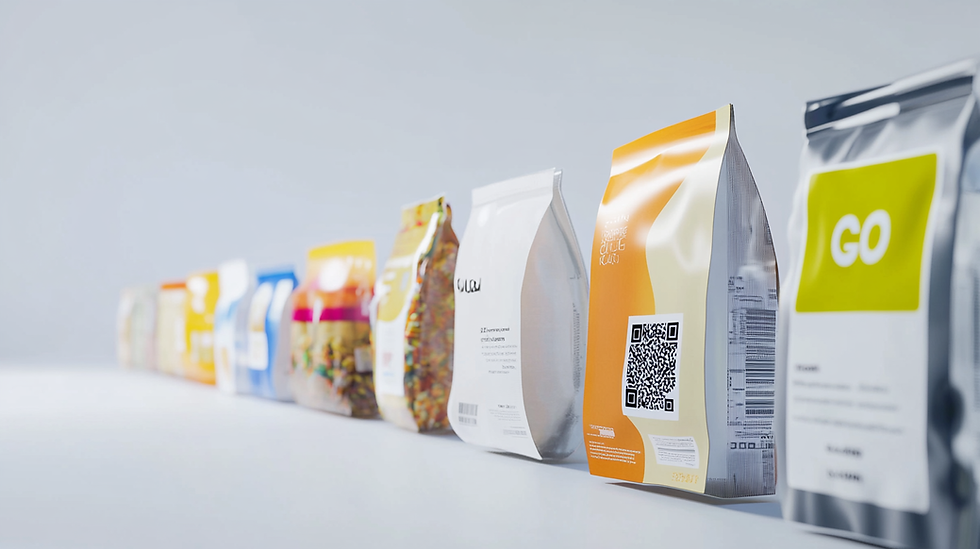
A Digital Product Passport, or DPP, is a structured digital record tied to a physical item, often accessed through a QR code or NFC tag. Think of it as a product’s living biography. Instead of a label that fades or a receipt that gets lost, the passport travels with the object across its lifecycle. It stores verified details about how something was made, how it should be cared for, and how it can be reused, recycled, or responsibly retired.

What Goes Inside a Passport
Each passport is a window into data that matters. It might include:
The origins of raw materials.
Environmental footprint and energy use.
Instructions for repair, reuse, or recycling.
Product identifiers that ensure authenticity.
It transforms objects from silent commodities into participants in a larger conversation about sustainability and trust.
Why Businesses Should Care
The European Union’s Ecodesign for Sustainable Products Regulation (ESPR) is making DPPs a requirement for industries like textiles, electronics, and furniture over the coming years. But beyond compliance, the opportunity is far greater.
Passports simplify supply chain complexity by providing accurate, structured data at every stage. They make transparency tangible, allowing companies to show, rather than simply claim, that they are sourcing responsibly or reducing emissions. They create efficiency by linking product information directly into existing ERP and logistics systems. And they open new revenue streams: verified second-hand resale, subscription repair services, and recycling credits.
What begins as a regulatory necessity becomes a tool for competitive advantage. Early adopters will not just be prepared for compliance; they will be positioned as leaders in transparency, building deeper trust with both regulators and customers.
Why Consumers Should Care
For the consumer, a Digital Product Passport is a lens of trust. Imagine scanning a garment and discovering its cotton was responsibly farmed, its dyeing process minimized water use, and that it can be recycled at end-of-life. The purchase no longer feels like a blind transaction; it becomes an act of alignment with values. Transparency changes the relationship between people and the objects they choose, transforming ownership into stewardship.
The Path Ahead
The implications extend beyond commerce. Insurers may one day reward companies whose products demonstrate durability through passport data. Designers may innovate with new materials because they can validate their impact. Logistics firms may optimize recycling networks by reading aggregated passport information. Layered with AI, DPP data could fuel forecasting and insight at a scale we have never seen before.
The Horizon
The Digital Product Passport is not a passing trend; it is the foundation of a new era of transparency. It transforms products into stories, purchases into relationships, and ownership into responsibility. Businesses that prepare now will not only meet the requirements of ESPR but also discover new ways to connect, innovate, and lead.
At WorldPulse, we believe that every object deserves to be more than an item on a shelf; it should be a voice in the conversation about our shared future. The time to listen, and to act, is now.


Comments